OUT OF THIS WORLD: SpaceX’s Starship to Carry Tesla’s Optimus Robot to Mars by 2026, Humans Could Follow by 2031
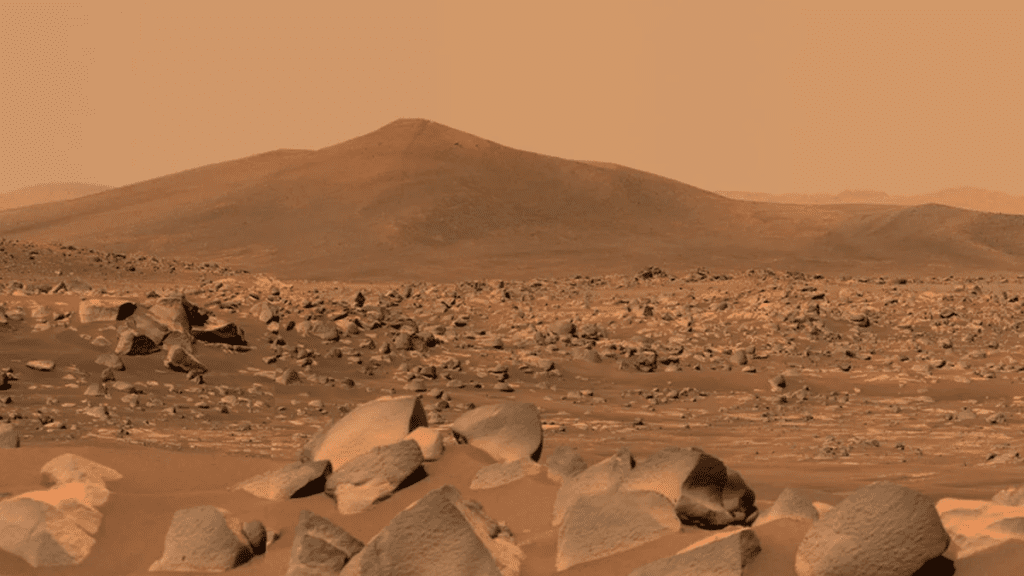
In a bold leap toward space colonization, Elon Musk has officially confirmed SpaceX’s ambitious plan to send its Starship spacecraft to Mars by the end of 2026, equipped with Tesla’s groundbreaking humanoid robot, Optimus.
This monumental mission is set to serve as a vital stepping stone toward Musk’s vision of human settlements on the Red Planet by as early as 2031.
A Giant Leap for Space Exploration
Elon Musk, CEO of both SpaceX and Tesla, has never shied away from audacious goals. His recent announcement, made during a press conference, outlined a detailed timeline for SpaceX’s Starship mission to Mars.
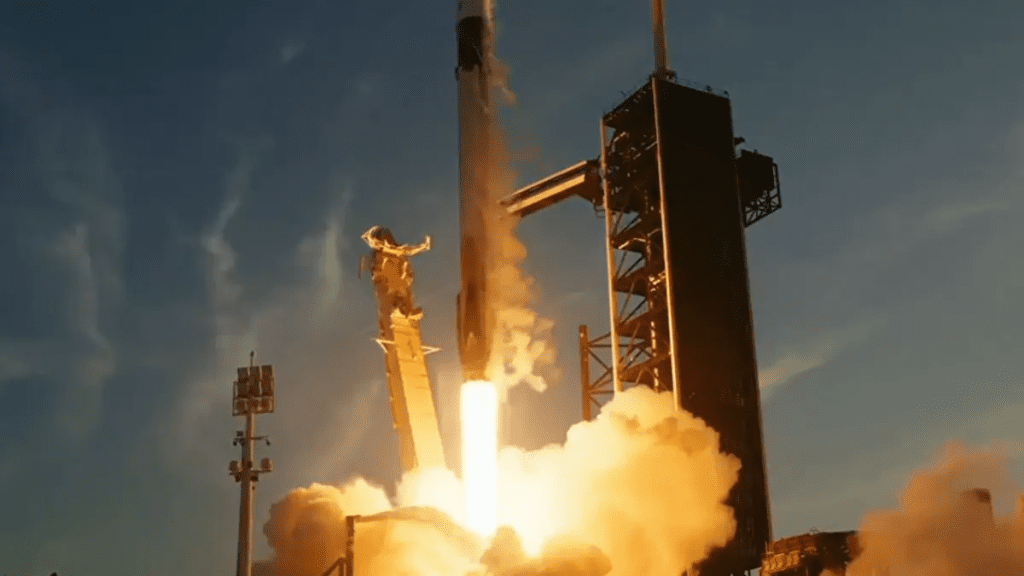
Starship, which stands approximately 120 meters tall, represents the largest and most powerful rocket system ever developed.
Musk emphasized that the integration of Tesla’s advanced humanoid robot, Optimus, into this mission will lay crucial groundwork for future manned expeditions.
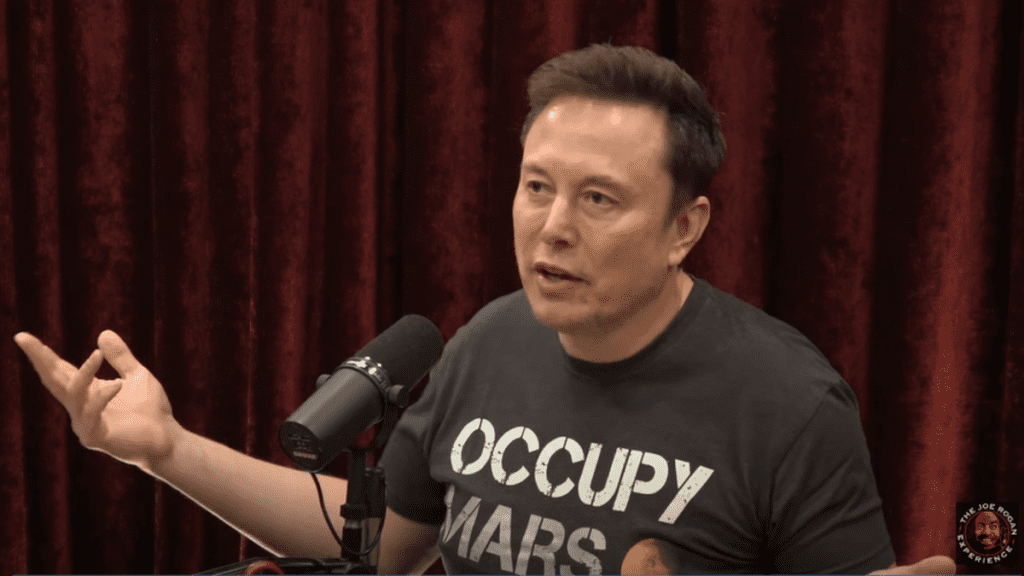
“Our primary goal is to establish a sustainable presence on Mars,” Musk stated during the announcement.
“Optimus will be instrumental in setting up infrastructure, conducting initial scientific research, and handling tasks too dangerous or complex for human astronauts.”
Tesla’s Optimus: Humanoid Robot Ready for Space Duty
Tesla unveiled its humanoid robot, Optimus, in 2022, highlighting its capability to perform a variety of tasks, from mundane chores to complex operations.
Standing around 1.72 meters and weighing roughly 57 kilograms, Optimus was designed with high precision and dexterity, capable of maneuvering through complex environments autonomously.
Its deployment on Mars is poised to mark a historic milestone for both robotics and interplanetary exploration.
The robot’s versatility is a key factor in its selection for the Mars mission. Equipped with advanced artificial intelligence, Optimus will be capable of adapting to unforeseen situations, performing repairs, building basic structures, and managing hazardous conditions, thus significantly reducing the risk for human explorers.
Starship: Pioneering the Future of Space Travel
SpaceX’s Starship is more than a mere transportation vehicle; it symbolizes the potential for humanity to become a multi-planetary species.
Constructed from stainless steel, Starship is fully reusable, designed to carry up to 100 metric tons of cargo and eventually accommodate around 100 passengers per joulrney.
SpaceX has already completed several high-altitude flight tests with Starship prototypes, refining the technology for future missions.
“Starship’s primary advantage is its reusability,” Musk explained. “We aim to dramatically lower the cost of space exploration, making regular trips to Mars economically viable.”
Timeline and Mission Objectives
According to Musk, the 2026 mission will primarily serve as a proof-of-concept for future manned missions.
Upon landing, Optimus will immediately begin performing tasks critical for establishing a preliminary base, such as setting up habitats, conducting soil analysis, and installing solar-powered generators.
If all goes according to plan, subsequent missions involving human astronauts could commence by 2031. These astronauts would rely heavily on infrastructure built by Optimus, greatly improving the safety and practicality of their missions.
Challenges and Opportunities
The ambitious Mars mission faces significant challenges, including the long interplanetary journey, radiation exposure, and harsh surface conditions on Mars.
The success of the 2026 unmanned mission with Optimus will be critical in addressing these challenges.
SpaceX is actively working with scientists and engineers to develop innovative solutions to issues such as life-support systems, radiation shielding, and autonomous robotics systems.
Dr. Amelia Roberts, an aerospace engineer specializing in Martian colonization at NASA, remarked, “Using humanoid robots like Optimus to establish foundational infrastructure significantly lowers risk for future manned missions.
This strategy allows humans to focus on exploration, research, and long-term sustainability rather than basic survival.”
Global Reaction and Industry Impact
SpaceX’s announcement has garnered widespread excitement within the scientific community and the general public alike. Many experts believe this mission will catalyze renewed interest and investment in space exploration worldwide.
“The synergy between SpaceX and Tesla through the integration of robotics and space travel could accelerate technological advancements,” said Dr. Henry Liu, a robotics expert from MIT.
“Optimus’s successful operation on Mars would revolutionize robotics technology and open doors for robotics in various challenging terrestrial applications.”
Sustainable Colonization: The Future Vision
Musk’s vision extends far beyond the initial Mars landing. He envisions an expansive colony with thousands of inhabitants, supported by a robust network of autonomous robots.
Optimus could potentially evolve into a cornerstone of Mars colonization, handling crucial tasks from agriculture to construction and infrastructure maintenance.
“Mars is just the beginning,” Musk stated passionately. “Ultimately, humanity’s future depends on our ability to become multi-planetary. Starship and Optimus are steps in this journey.”
Looking Ahead: The Next Frontier
As the Starship-Optimus mission approaches, SpaceX and Tesla are set to ramp up development and testing significantly. Both companies anticipate immense interest from investors, governments, and the scientific community.
“We are confident but aware of the challenges ahead,” Musk concluded. “This is not just a SpaceX or Tesla mission—this is a mission for humanity. The lessons we learn will shape our future among the stars.”
In a time when space exploration is advancing rapidly, SpaceX’s ambitious Mars mission stands as a testament to humanity’s enduring curiosity and relentless drive to push boundaries.
As we count down to 2026 and beyond, the world watches in anticipation, eager to see how these audacious dreams unfold.