1. Mission Overview: What Is Launching on February 2
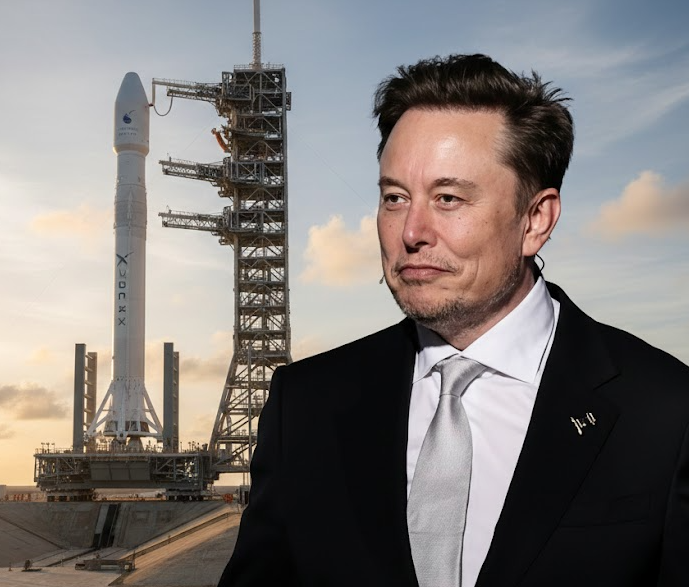
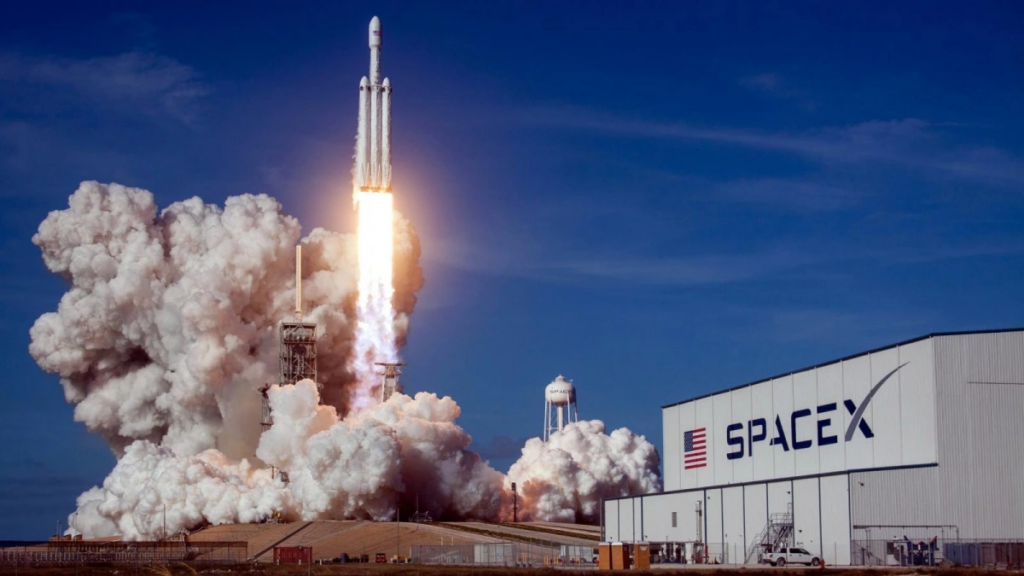
On February 2, 2026, Elon Musk’s SpaceX is scheduled to launch a Falcon 9 rocket from Vandenberg Space Force Base in California, carrying 25 Starlink satellites into low Earth orbit. While routine on the surface, the mission represents another calculated step in SpaceX’s long-term strategy to dominate the satellite internet market.
The launch is part of SpaceX’s ongoing Starlink deployment campaign, which has already placed thousands of satellites into orbit, forming one of the largest satellite constellations ever built.
2. Strategic Importance of the Falcon 9 Launch
Each Falcon 9 launch serves a dual purpose: expanding Starlink’s coverage while reinforcing SpaceX’s launch reliability. The Falcon 9’s proven reusability allows SpaceX to reduce operational costs and maintain a rapid launch cadence — a competitive advantage few rivals can match.
By continuously adding satellites, SpaceX improves network capacity, reduces latency, and enhances service quality, particularly in high-demand regions and previously underserved areas.
3. Starlink’s Role in Global Internet Infrastructure
Starlink is positioned as a solution to one of the internet’s most persistent challenges: reaching remote and infrastructure-poor regions. Traditional fiber and cellular networks remain costly or impractical in many parts of the world.
With every new satellite deployment, Starlink strengthens its ability to provide:
- High-speed broadband in rural and remote communities
- Emergency connectivity during natural disasters and conflicts
- Internet access in regions with limited or unreliable telecommunications
This launch further solidifies Starlink’s role as a critical alternative to terrestrial networks.
4. Elon Musk’s Vision and Strategic Messaging
Elon Musk has repeatedly framed Starlink as more than a commercial product. According to Musk, the network supports a broader vision of global communication resilience and technological independence.
By highlighting Starlink’s role in disaster response and global connectivity, Musk positions SpaceX not only as a technology company, but as an essential infrastructure provider — a narrative that resonates with governments, regulators, and international partners.
5. Competitive Landscape and Market Pressure
The satellite internet sector is becoming increasingly competitive, with new entrants and government-backed initiatives challenging SpaceX’s early lead. However, SpaceX’s vertical integration — designing satellites, launching them in-house, and operating the network — gives it a significant edge.
Industry analysts note that SpaceX’s ability to deploy satellites at scale and at lower cost remains its strongest defense against competitors.
6. Broader Implications for the Space Industry
Beyond Starlink, the February 2 launch underscores a larger shift in the space industry: frequent, commercialized, and infrastructure-focused missions are becoming the norm.
Falcon 9’s repeated use demonstrates how spaceflight is transitioning from experimental milestones to operational logistics — a transformation largely driven by SpaceX under Musk’s leadership.
7. What This Launch Signals Going Forward
While a single Falcon 9 launch may appear routine, its implications are cumulative. Each mission tightens SpaceX’s grip on the satellite broadband market and brings Elon Musk’s vision of a globally connected world closer to operational reality.
As SpaceX prepares for more ambitious projects, including next-generation launch systems, the Falcon 9 and Starlink program remain the company’s most immediate and commercially impactful endeavors.