SpaceX, the aerospace company founded by billionaire entrepreneur Elon Musk, is preparing for the first test flight of Starship Version 3 (V3), scheduled for mid-March, according to company statements. The new iteration represents the most powerful and ambitious version of the Starship rocket to date, designed to support deep-space missions and future human exploration of Mars.
Starship V3 features significant upgrades over previous versions, including greater thrust, increased payload capacity, and enhanced structural design. The rocket is optimized for full reusability — a cornerstone of SpaceX’s long-term strategy to dramatically reduce launch costs and enable frequent space travel.
Elon Musk has repeatedly described Starship as the foundation of his broader goal to make humanity a multi-planetary species. “Starship is designed to carry crew and cargo to Earth orbit, the Moon, Mars, and beyond,” Musk has stated, emphasizing its role in the future of space transportation.
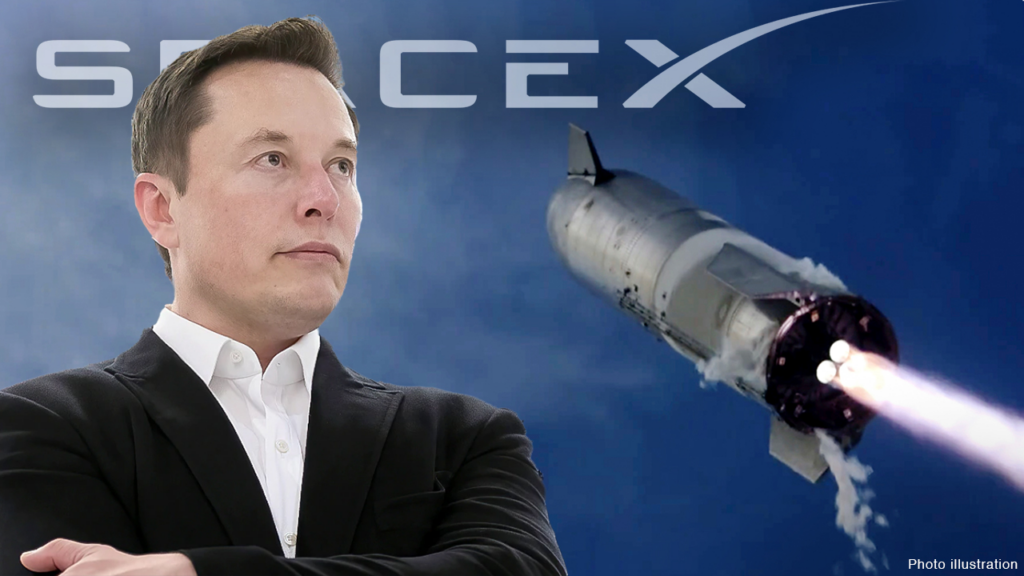
The upcoming test flight marks a critical milestone for SpaceX. Beyond validating new engineering improvements, the mission aims to assess the rocket’s performance in real-flight conditions, including launch dynamics, stage separation, and controlled reentry. Success would represent a major step toward operational readiness for large-scale missions beyond Earth orbit.
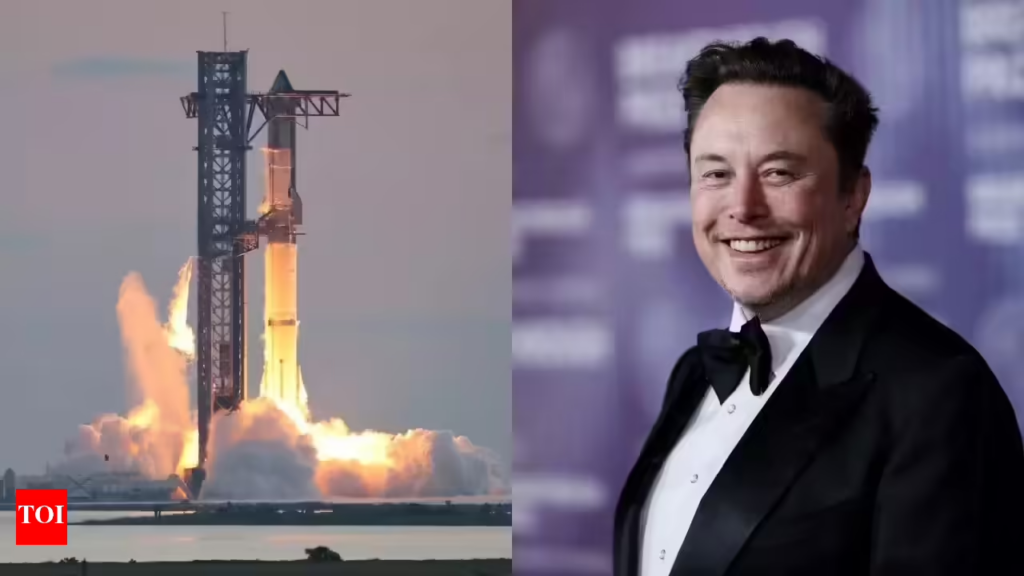
Industry analysts note that, if successful, Starship V3 could become the most capable launch system ever built, surpassing existing heavy-lift rockets in both power and versatility. Its unprecedented payload capacity could transform satellite deployment, space station construction, lunar missions, and interplanetary travel.
 Starship V3 is more than just a rocket — it offers a glimpse into the future of spaceflight, where reusable launch systems enable sustained exploration and potential human settlement beyond Earth. For Elon Musk and SpaceX, the upcoming test flight may bring humanity one step closer to turning long-held science fiction ambitions into reality.