In 2025, while global headlines focused on inflation, war, and economic anxiety, Elon Musk quietly added an almost incomprehensible one hundred ninety billion dollars to his personal fortune, a single-year surge that rewrote assumptions about how wealth is created and concentrated.
That astonishing increase did not happen in isolation, because Musk’s rise helped propel the combined fortunes of the world’s five hundred richest individuals to a staggering two point two trillion dollar gain, marking one of the most dramatic wealth expansions in modern financial history.
What unsettled observers most was not the raw number itself, but the silence surrounding it, as markets moved billions with barely a ripple of public awareness or institutional debate.
Unlike traditional earnings tied to production or labor, this wealth materialized through valuation shifts, investor confidence, and speculative momentum that rewarded ownership far faster than wages could ever follow.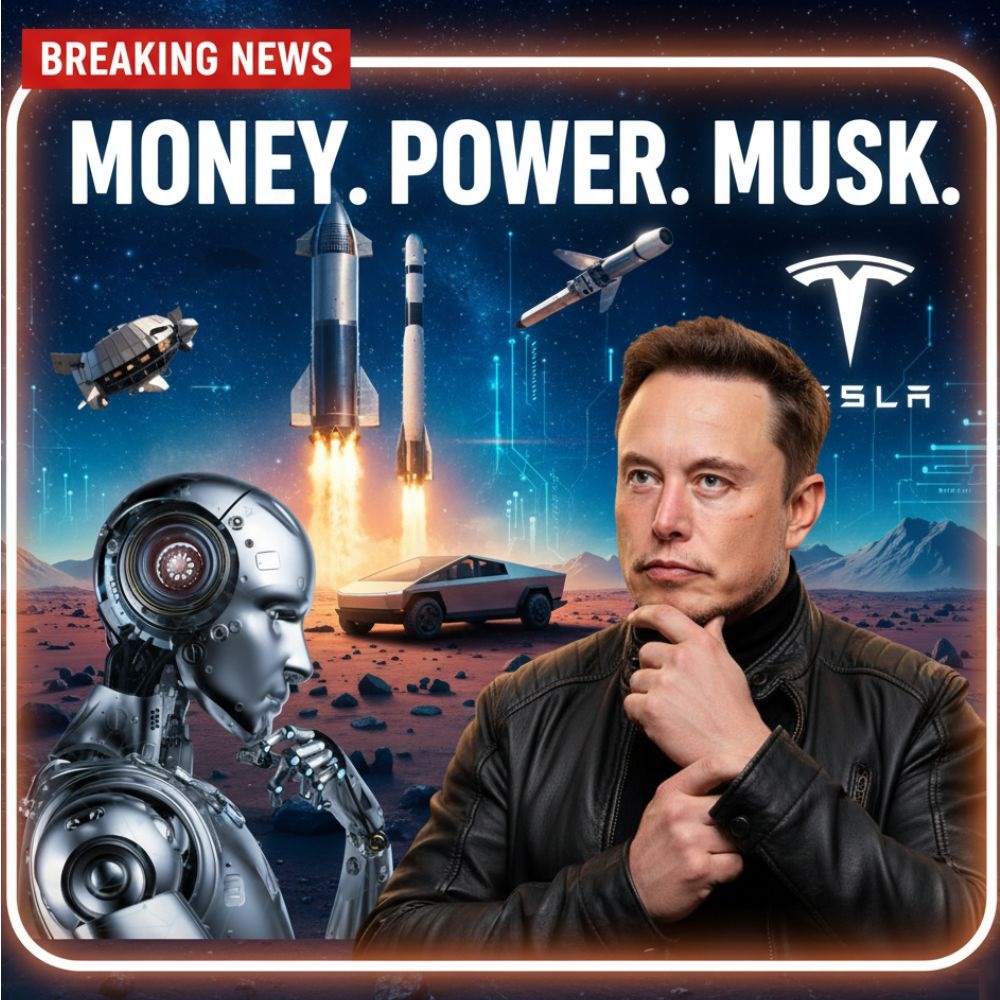
Supporters argue that Musk’s fortune reflects innovation at scale, pointing to electric vehicles, artificial intelligence, space exploration, and infrastructure projects that markets believe will shape humanity’s long-term trajectory.
Critics respond that belief-driven valuation has become detached from everyday economic reality, allowing paper wealth to balloon while households struggle under rising costs and shrinking purchasing power.
The deeper question dominating discussion is not how Musk became richer, but where this money truly comes from when wealth multiplies without corresponding economic relief for the broader population.
Economists note that asset-based growth increasingly funnels gains toward those already positioned inside financial systems, while labor-driven income remains constrained by structural limits and stagnant bargaining power.

Musk’s wealth surge exemplifies this divide, where confidence in future disruption instantly generates massive returns without requiring present-day affordability, accessibility, or universal benefit.
Defenders insist that such capital accumulation enables long-horizon projects governments cannot sustain, arguing that private wealth fuels innovation too risky or expensive for public funding alone.
Opponents counter that unchecked accumulation creates economic gravity wells, where wealth attracts more wealth, political influence concentrates, and accountability struggles to keep pace with scale.
The two point two trillion dollar collective gain among the global elite has reignited calls for tax reform, regulatory overhaul, and new frameworks capable of addressing wealth at unprecedented magnitude.
Some policymakers caution that aggressive intervention risks discouraging entrepreneurship, warning that innovation thrives when rewards remain uncapped and ambition is not penalized.
Others argue that inequality at this level undermines social cohesion, erodes trust in institutions, and threatens democratic stability when financial power eclipses civic accountability.
Musk himself has often dismissed concerns about optics, framing his fortune as reinvested capital rather than personal excess, intended to accelerate projects he believes benefit humanity broadly.
Skeptics question that framing, noting that benefits often remain abstract while gains are immediate, concentrated, and insulated from the consequences faced by average citizens.
The quiet nature of Musk’s wealth expansion has intensified unease, suggesting that transformative economic shifts can occur invisibly, without public consent or meaningful debate.
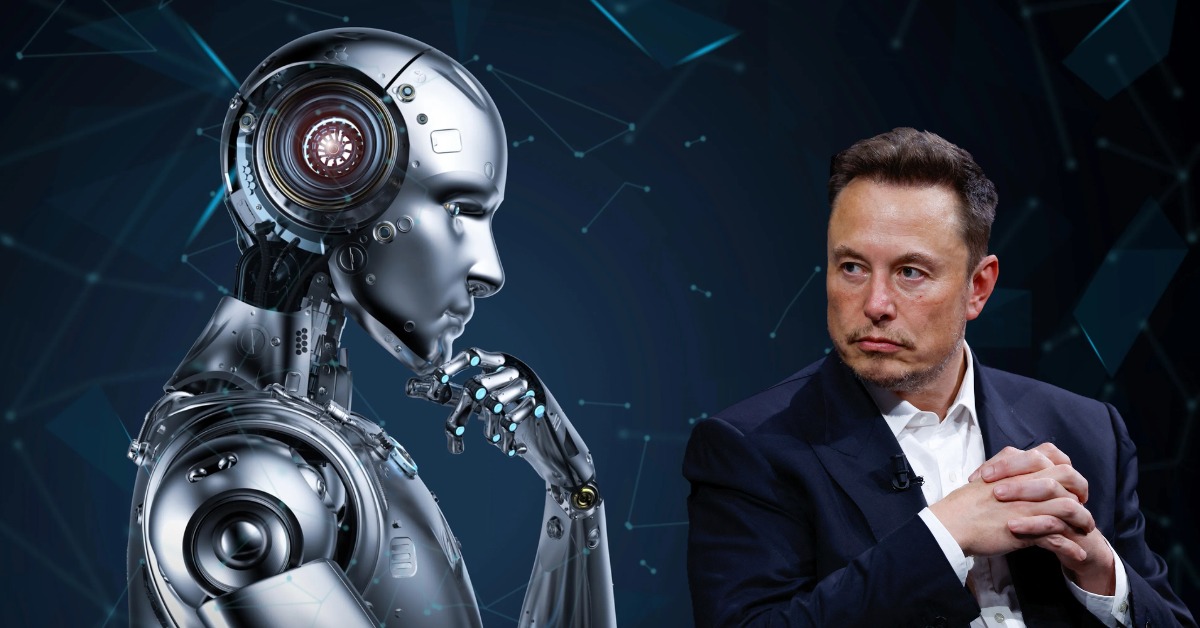
Financial analysts emphasize that this pattern reflects structural features of modern capitalism, where scale amplifies returns and market narratives accelerate faster than regulatory response.
As capital increasingly rewards speculation over production, wealth concentration becomes self-reinforcing, creating feedback loops difficult to disrupt without systemic change.
Supporters argue that broad market participation remains available, claiming anyone can invest and benefit from growth given access and financial literacy.
Critics counter that access itself is unequal, as rising asset prices lock many out while enriching those already positioned within financial ecosystems.
Social media reaction reflects this tension, oscillating between awe at Musk’s ascent and anger at a system that appears to reward accumulation over contribution.
For some, Musk’s fortune represents aspiration, proof that vision and risk-taking can still reshape industries and rewrite history.
For others, it represents warning, highlighting an imbalance that could destabilize economies if left unexamined and uncorrected.
The unsettling reality is that wealth concentration now moves faster than public understanding, leaving society reacting rather than guiding economic transformation.
Musk’s one hundred ninety billion dollar gain thus becomes more than a statistic, symbolizing a shift where economic power quietly outruns democratic oversight.
As the richest grow richer in near silence, the world is left confronting a harder question than envy or admiration.
What happens next when wealth accumulates faster than accountability, and who decides when the system has gone too far.