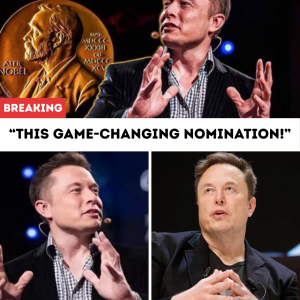
A surprising nomination has sparked global conversation: Elon Musk has officially been nominated for the 2025 Nobel Peace Prize.
The nomination was submitted by Branko Grims, a Member of the European Parliament from Slovenia, who cited Musk’s vocal defense of freedom of speech as a cornerstone for peace in the modern world. According to Grims, open dialogue and the protection of fundamental human rights are essential to global stability—and Musk’s influence has played a significant role in shaping that conversation.
This is not the first time Musk has been put forward for such recognition. In early 2024, Norwegian politician Marius Nilsen also nominated him, highlighting Musk’s impact on global connectivity through companies such as Starlink, SpaceX, and Tesla—technologies that have helped keep people connected across borders, conflicts, and crises.
Why Supporters Say He Deserves It
Advocates argue that Musk’s leadership of the social media platform X (formerly Twitter) has reshaped public discourse. By positioning the platform as a “global town square,” Musk has emphasized reduced censorship and broader participation in debate—an approach supporters believe strengthens democracy and international understanding.
The nomination reflects a growing belief that free speech is not just a social value, but a foundation of peace, enabling dialogue over division and conversation over conflict.
Musk’s Response
Despite the attention, Musk appeared characteristically understated. Responding online, he wrote simply:
“I don’t want any prizes.”
The remark reinforced his long-standing stance that progress and innovation matter more to him than formal recognition.
What Happens Next?
While a nomination is an honor in itself, the final decision rests with the Nobel Committee. Nominations remain confidential for 50 years, with the shortlist typically finalized by March and the winner announced in October.
Final Thoughts
Whether or not Elon Musk ultimately receives the Nobel Peace Prize, the nomination itself signals a cultural shift. It highlights how technology, communication platforms, and digital infrastructure are increasingly seen as tools for peace—not just innovation.
From launching rockets to redefining global conversation, Musk’s influence continues to spark debate. And for many, this nomination is less about a trophy—and more about the evolving meaning of peace in the digital age.